



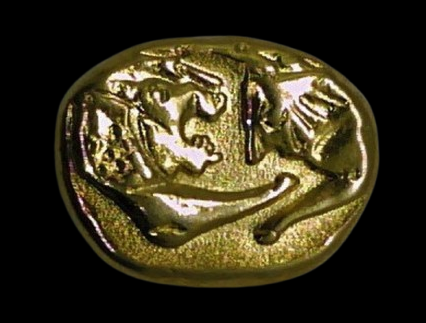
Gold has the most extensive history of any currency involved in trade and commerce. Lydian merchants were the first to utilize gold as currency. King Croesus of Lydia introduced the first-ever struck gold coins. The establishment of a single recognized currency brought a sense of assurance that had not yet existed in commerce. The use of coinage spread from Lydia and became the norm throughout the region. The Persian Empire eventually conquered Lydia, but the tradition of gold ownership has continued into the present day.
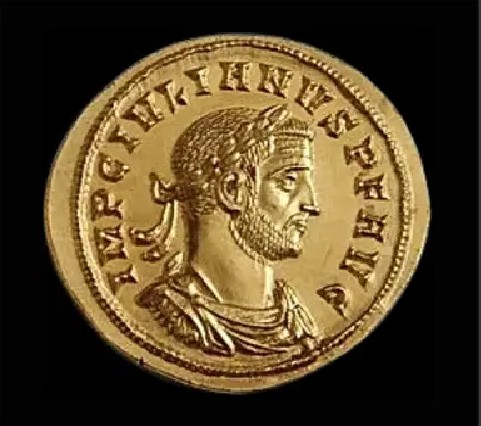
The aureus was the principal gold coin of the ancient Roman Empire. Julius Caesar first standardized it on a large scale in the first century BC. The aureus contained 8 g of nearly pure gold and had a value of 25 silver denarii. It was used for high-value transactions, including military wages and payments among the elite. Gold coins continued to integrate into European culture, and after the fall of Rome, the Byzantine Empire continued the tradition up until the middle ages.
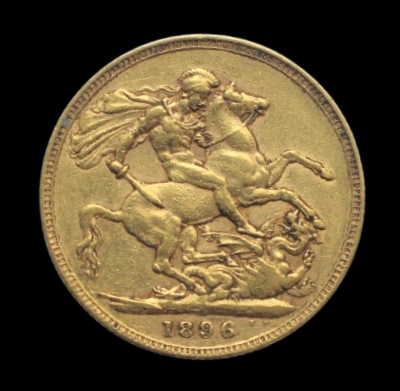
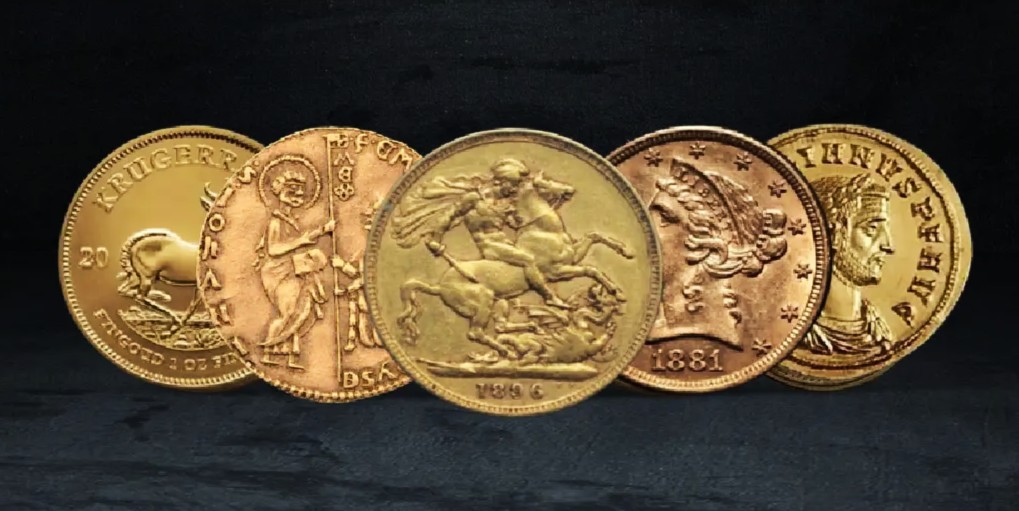
The Royal Mint traces its origins back to 886 AD in London. King Alfred the Great's British gold coins transformed from medieval status symbols into the foundation of the global financial system. The golden Noble was created in 1344, followed by the first gold Sovereign in 1489. The continental Europeans, however, were ahead of the game, with the Italian Florin becoming one of the most dominant gold coins in Europe.
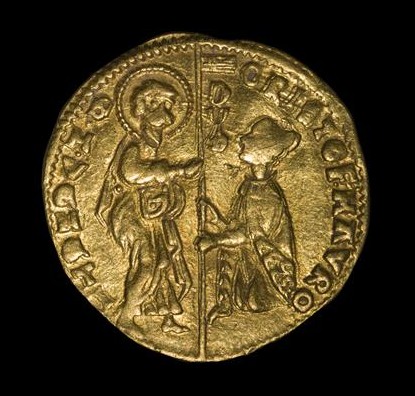
The Venetian Ducat was created as a rival after the debasement of the Byzantine Hyperpyron, which the Venetians used to pay for imports from the East. Many countries modeled their version of the Ducat, keeping the same standards. The universal standard of a ducat is 3.494 grams of gold, 98.6% purity. It became one of the most widespread coins throughout Europe, remaining in use for over 500 years.
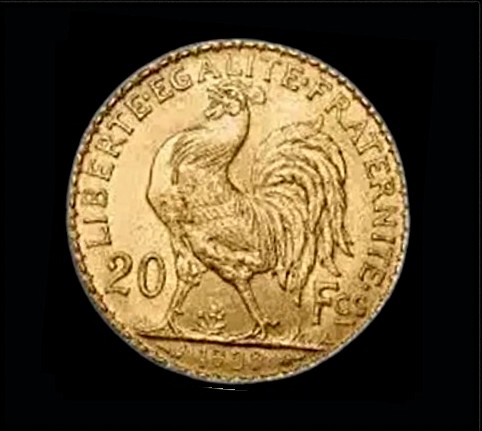
The 20 franc gold coins featuring Napoleon were struck during the reign of Napoleon II in 1852. Today, these coins are highly sought after by numismatic collectors for their historical significance and gold content. In 1871, after the Second Empire collapsed, France introduced the Lucky Gold Angel (1871–1873) as a new gold coin. This marked the end of the Napoleon III gold series, which had continuously minted coins from 1852 until the empire’s fall.
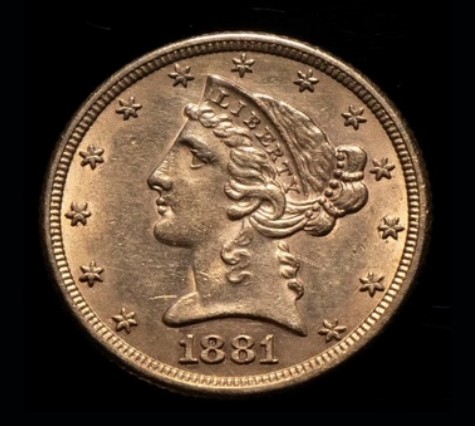
Before the US Mint began producing coins, Americans used foreign gold coins for trade, including the Spanish Doubloon, the English Guinea, and gold Ducats. The first gold coin struck by the US Mint was the Gold Eagle in 1795. Gold Eagles did not have a denomination until 1838, with the release of the $5 Half-Eagle, followed by the $10 Eagle and $2.50 Quarter-Eagle.